

LEVEL 4/5 BALLET (ages 14 - adult)
September 8, 2026 - May 28, 2027 (view calendar)
CLASS SCHEDULE
Dancers take 3, 4 or 5 classes per week
Monday 6:00-7:30 pm
Tuesday 6:00-7:30 pm
Wednesday 6:00-7:30 pm
Thursday 6:00-7:30 pm
Saturday 10:30 am -11:30 pm
TUITION
3 classes per week $345 per month
4-5 classes per week $395 per month
Payment is due on the first of every month. Learn more about tuition and online payment.
DROP IN CLASS (18+)
Adults may take class as schedules permit. Individual classes are $20, or save 10% with a class card.
Metropolitan Ballet offers dancers the unique opportunity to perform in full-length, fully-staged classical ballets at professional venues. Dancers ages 14+ with several years of ballet training and at least one year en pointe commit to a more rigorous and consistent training schedule throughout the year and are offered opportunities to perform with the Company and along side world-renown guest artists. Recent productions featured ABT Principals, Skylar Brandt, Jake Roxander, and Daniil Simkin. View work samples
DRESS CODE
Girls are to wear a black leotard, pink tights, pink leather slippers. A black ballet skirt is optional. Please secure hair into a neat bun. Boys are to wear a plain white t-shirt, black tights and black leather slippers.
PRIVATE CLASSES
Dancers interested in preparing for a ballet competition or needing assistance setting choreography can arrange for private master classes. Athletes, especially skaters and gymnasts, who are looking to improve balance, coordination and strength will also benefit from ballet training. Contact us to learn more.
Learn more below about our upcoming season and program for Trainees, Apprentices and Junior Company Members.
2026-2027SEASON
La BayadÈre | Nutcracker | swan lake | classic gala
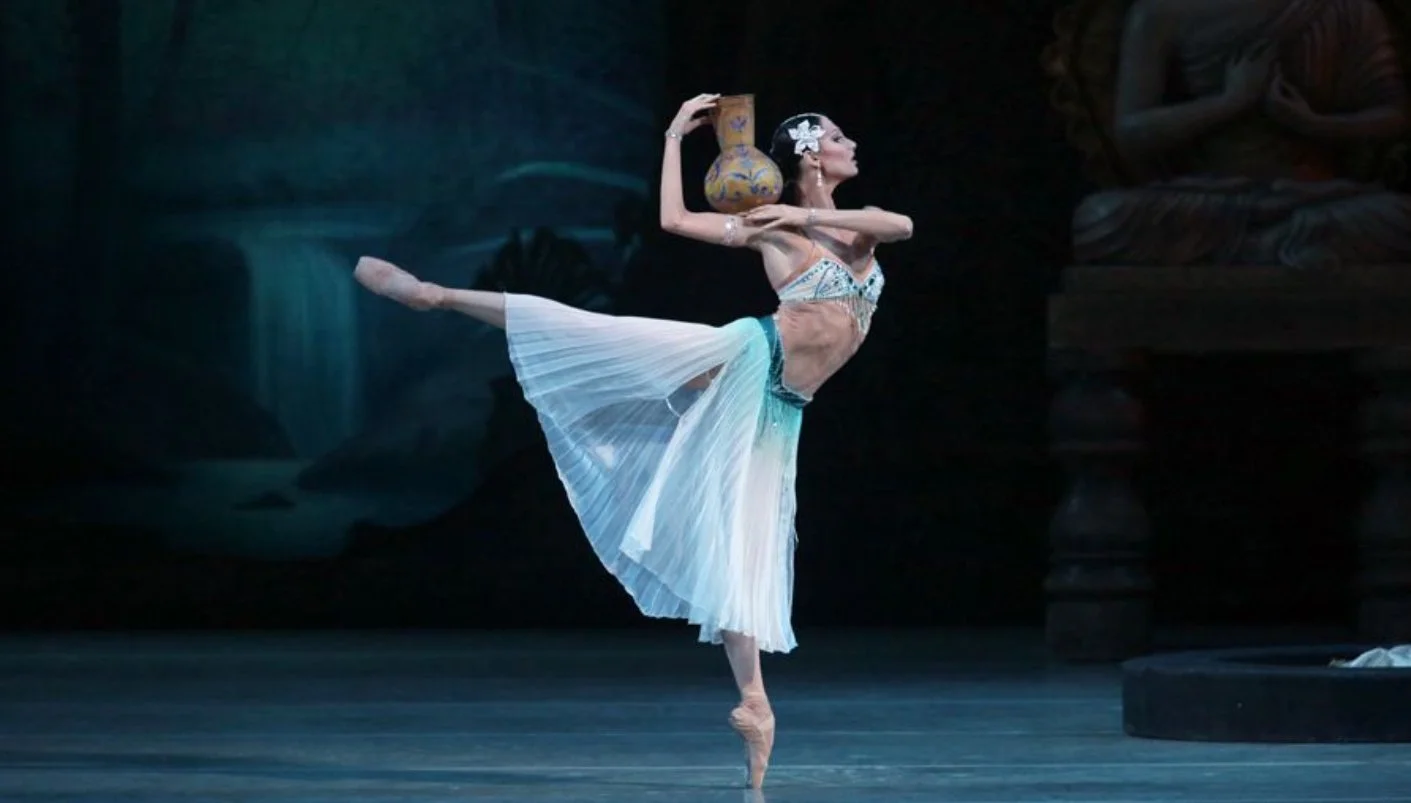
La Bayadère, October 25, 2026 at the Ted Mann Hall, University of MN.

Nutcracker, December 12-13, 2026 at the historic Fitzgerald Theater, St. Paul, and December 19-20 at Hopkins Auditorium with the Kenwood Symphony Orchestra.
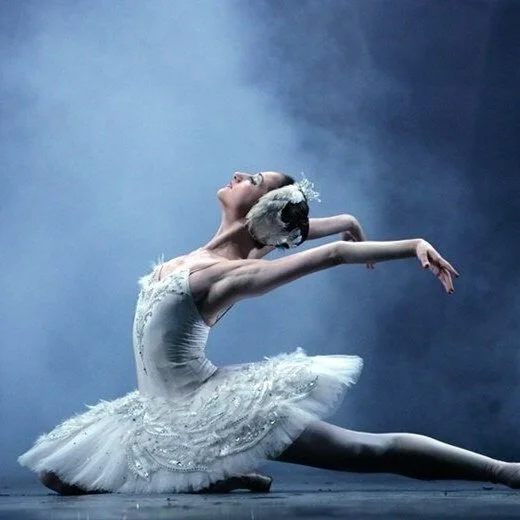
Swan Lake, March 13-14, 2027
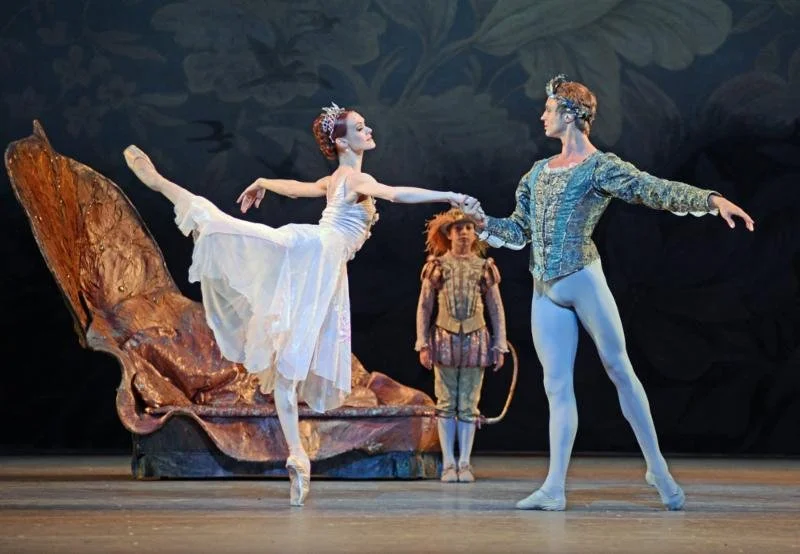
Classic Gala, April 24-25, 2027, at the historic Fitzgerald Theater, St. Paul, featuring Les Sylphides, Pequita, the Dying Swan & Afternoon of a Faun.
PROFESSIONAL TRAINING, EDUCATION AND PERFORMANCE
Trainees
The Trainee Program is designed for developing dancers who are serious about training and performing classical ballets. Dancers commit to train a minimum of 3 times per week with training en pointe. Both Junior and Senior Trainees will be invited to perform in our annual Nutcracker and may be invited to perform in other productions throughout the year. Contact us to request a class trial.
ApprenticeS
Our Apprentice Program offers an attractive training scholarship and provides dancers with a progressive step towards working as a professional in the world of classical ballet. The program focuses on high level education, training and performance. Dancers will study pointe, variation & repertoire and Senior Apprentices will be offered a stipend to perform frequently during the year. Class training is required a minimum of 3-4 times per week, plus weekend rehearsals. Email us with any questions or to request an audition.
Junior Apprentice: 25% off tuition, 25% off performance fee
Senior Apprentice: 50% off tuition, no performance fee, performance stipend for each ballet
Junior Company memberS
Soloist and Demi-soloist dancers with strong classical ballet technique and artistry will find exceptional opportunities to perform with Metropolitan Ballet. Junior Company dancers receive a full tuition scholarship for training and a competitive wage to perform. Junior Company dancers benefit from training alongside company members and over time may be offered a position with the company. Email us with any questions or to request an audition.
Full tuition scholarship
Competitive wage to perform
professional Company memberS
Soloist and Principal level dancers with strong classical ballet technique, artistry, and proven partnering skills will find rewarding opportunities with Metropolitan Ballet. Dancers are offered a competitive salaried position with a 20-week contract. Dancers should be currently eligible to work in the United States. To request an audition, please email us with your bio, headshot and photo in first arabesque.
The training methods at Metropolitan Ballet are based on the Vaganova Russian school and are supplemented with instruction from other styles of training such as the Bournonville, French, and Cecchetti methods.
Dancers are encouraged to reach their fullest potential by developing a strong and graceful athletic physique as well as learning ballet terminology and being familiar with the music and variations from classical ballets.